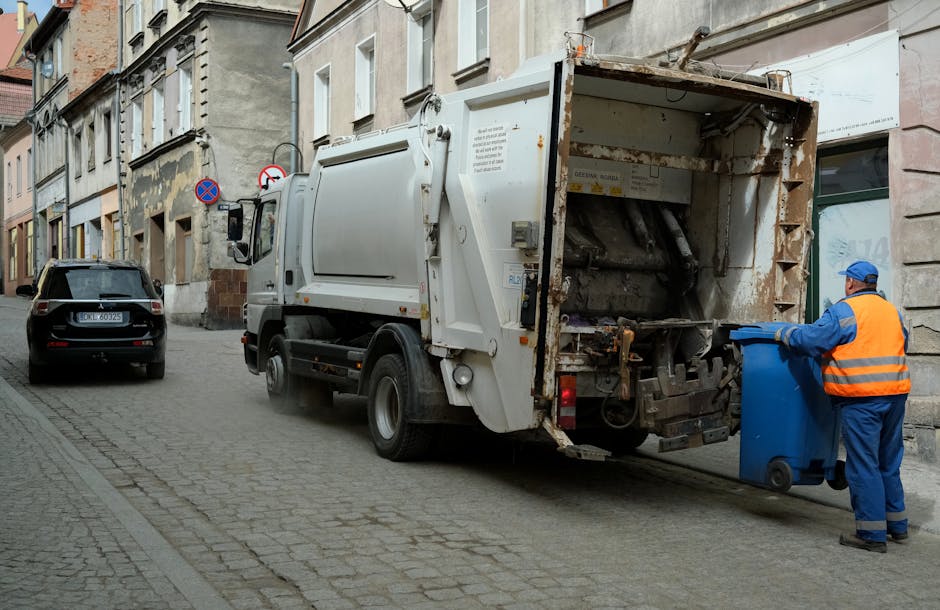
Abbey Road studio clearouts rubbish removal St Johns Wood

If you are dealing with an Abbey Road studio clearout in St Johns Wood, the job usually needs more than a van and a strong back. Studio spaces collect awkward waste fast: busted furniture, packaging, old audio gear, cables, office clutter, timber offcuts, and the odd item nobody wants to be responsible for. Abbey Road studio clearouts rubbish removal St Johns Wood is really about clearing that mess safely, quietly, and without slowing the work down.
Whether you are resetting a creative space, moving out a back room, or just trying to get a production area back under control, the best approach is one that is fast, tidy, and properly planned. In this guide, we will walk through how studio clearance works, what to watch out for, and how to choose a removal method that suits the space, the schedule, and the kind of waste involved. No drama. Just a clear path forward.
- Why it matters
- How it works
- Key benefits
- Who needs this service
- Step-by-step guidance
- Expert tips
- Common mistakes to avoid
- Tools and recommendations
- Law, compliance and best practice
- Options and comparison
- Real-world example
- Practical checklist
- Conclusion
- Frequently asked questions
Why Abbey Road studio clearouts rubbish removal St Johns Wood Matters
Studios are not like ordinary rooms. They can be small, busy, and full of equipment that is expensive, fragile, or simply awkward to move. A clearout in this setting is never just about taking rubbish away. It is about protecting floors, avoiding damage to equipment, keeping access routes open, and making sure the whole site stays usable while the work is happening.
In St Johns Wood, timing matters as well. Streets can be tight, loading can be inconvenient, and neighbours are usually not thrilled by unnecessary noise or bins left in the wrong place. A good studio clearout respects the building, the people using it, and the local environment. That is why a careful rubbish removal plan is often worth more than trying to improvise at the last minute.
There is also a practical business reason. For studios connected to creative work, downtime costs money and momentum. One half-finished clearance can leave gear boxed up in hallways, cables tangled underfoot, and teams working around clutter for days. That gets old quickly. Very quickly, to be fair.
Expert summary: The best studio clearance is not the one that simply removes the most waste. It is the one that clears space safely, keeps the workflow moving, and leaves the site ready for the next stage without added stress.
If your clearout includes items such as furniture, broken office pieces, or old storage units, it can help to think of the job as part studio clearance, part general waste removal, and part careful sorting. Services such as office clearance, furniture clearance, and broader waste removal support that kind of mixed job well.
How Abbey Road studio clearouts rubbish removal St Johns Wood Works
At a practical level, studio clearance usually starts with a quick assessment. What is being removed? What needs to stay? Is there fragile equipment nearby? Are there stairs, narrow corridors, or loading restrictions? Those questions sound basic, but they save a lot of pain later. Honestly, the "we thought it would be easier" jobs are the ones that become messy.
Once the waste profile is clear, items are generally sorted into categories: reusable items, recyclable materials, general waste, and anything that needs special handling. A careful crew will also protect surfaces, work in a logical sequence, and keep pathways clear so people can still move around the site if needed.
For larger studio clearouts, removal may happen in stages. That is often the smarter choice when a room is still in use or when there are several types of waste involved. For example, old sofas or breakroom furniture might be moved first, then boxy items and archives, then the final sweep of loose rubbish and dust-heavy debris.
When the waste includes specialist items, the process changes. Appliances, fridges, confidential paperwork, or potentially hazardous materials need separate handling. Pages like fridge and appliance removal, confidential shredding, and hazardous waste disposal are relevant for that more careful side of the job.
Key Benefits and Practical Advantages
The most obvious benefit is space. A cleared studio feels different immediately. You see the floor again, you can breathe a bit easier, and work starts to feel manageable instead of buried under clutter.
There are some less obvious advantages too:
- Better safety: fewer trip hazards, blocked exits, and overloaded storage corners.
- Faster turnaround: the room can be reset, repainted, refitted, or handed back sooner.
- Cleaner decision-making: once the clutter is gone, it is easier to see what should be kept, repaired, donated, or replaced.
- Less disruption: a planned clearance avoids endless back-and-forth trips and improvised lifting.
- More efficient recycling: sorting waste properly gives more material a chance to be reused or recycled.
There is also a psychological benefit. A studio full of stacked boxes and half-finished tasks can drain energy in a sneaky way. You know the feeling: the room is not exactly chaotic, but it is just messy enough to make every task feel heavier. Removing the rubbish changes the mood of the space, which matters more than people admit.
If you are dealing with bulky items, it can help to use services tailored to specific materials, such as mattress and sofa disposal or furniture disposal, instead of treating everything as one pile. That usually makes the whole job cleaner and more predictable.
Who This Is For and When It Makes Sense
This kind of clearout is useful for a surprisingly wide range of people. You do not need to run a giant production company to benefit from it. A small rehearsal room, recording space, edit suite, or shared workspace can build up waste just as fast as a bigger site.
It tends to make sense when:
- you are vacating a studio or reconfiguring the layout
- you have inherited a room full of unwanted items
- the space has been used for storage as much as for work
- you need a fast turnaround before new equipment arrives
- there are mixed waste types that are awkward to sort alone
- you want a more organised finish than a do-it-yourself dump run
Creative spaces often accumulate unusual combinations of waste. One day it is office chairs and cardboard. Next day it is timber boards, broken shelving, old monitors, and a forgotten printer that has somehow been there for three years. Happens all the time.
People also look for this service after a fit-out, refurbishment, or move. In those cases, a builders waste clearance option may be more suitable for heavier debris, while flat clearance or home clearance can be helpful if the site includes living or mixed-use space.
Step-by-Step Guidance
If you want the process to go smoothly, a simple method works best. Fancy systems are fine in theory, but in real life people need a plan they can actually follow on a busy day.
- Walk the space. Make a quick list of what stays, what goes, and what might need specialist handling.
- Separate the waste types. Put furniture, electricals, cardboard, general rubbish, and sensitive materials in different groups if possible.
- Check access. Measure tight doorways, look at stairs, and think about parking or loading access before the removal day.
- Protect the route. Cover floors or edges if the site is easily marked, especially in older buildings.
- Set a priority order. Remove the bulkiest items first, then smaller clutter, then final bagged waste.
- Keep essentials safe. Label anything valuable, fragile, or confidential so it does not get swept up by mistake.
- Do a final sweep. Check corners, under benches, and behind doors. That is where the forgotten stuff always hides.
A useful trick is to take photos before the clearance begins. Not for drama, just for reference. If something important goes missing later, you will be glad you have them. Simple, but helpful.
If you are planning ahead, it is worth reviewing pricing and quotes early so you understand how the scope of the job may affect the cost. That can save a few awkward surprises.
Expert Tips for Better Results
Over time, the smoothest studio clearouts tend to follow the same habits. Nothing magical. Just sensible decisions made early enough.
- Be ruthless with duplicates. Studios often keep three versions of the same thing "just in case." If it is broken, obsolete, or unused, question it.
- Group by lifting difficulty. Put heavy items together and light loose waste together. It saves time and reduces strain.
- Clear access first. Before moving the big items, make sure the route out is open. That sounds obvious. It still gets missed.
- Handle sensitive waste separately. Paper records, storage drives, and branded materials should not be mixed casually with general rubbish.
- Leave room for the aftercare. A clean clearout is not just about removal. It is about leaving the place ready for the next stage.
Let's face it, studio work runs on momentum. If the clearout drags on, the whole project feels heavier. Keep decisions simple and the process usually follows.
You can also think ahead about sustainability. A provider that prioritises sorting and reuse can make a real difference to how much material gets diverted from landfill. If that matters to you, the recycling and sustainability page is worth a look.
Common Mistakes to Avoid
Most problems in studio clearouts are not complicated. They are usually caused by rushing, poor sorting, or forgetting how awkward the site really is.
- Leaving access planning too late. Tight hallways and stairs need more thought than people expect.
- Mixing specialist waste with general rubbish. That can create handling problems and may delay the job.
- Not checking what should stay. It only takes one important item to end up in the wrong pile.
- Underestimating the volume. A room can look manageable until the cupboards are opened. Then, well... suddenly it is not.
- Ignoring noise and timing. Neighbours, building management, or production schedules may all be affected.
- Assuming everything can go in one collection method. Sometimes it cannot, and that is where a mixed clearance approach is better.
Another common issue is trying to do too much in one session. For a studio with lots of mixed items, it can be smarter to split the work into manageable stages, particularly if there are old appliances, office items, or furniture to remove separately.
Tools, Resources and Recommendations
You do not need a huge toolkit, but a few basics make the process easier. In practice, the best "tool" is a clear plan. Still, the physical bits matter too.
- Heavy-duty sacks or boxes for loose waste and smaller items
- Labels or marker pens for anything that must stay or needs special handling
- Gloves and suitable footwear for safe handling
- Trolleys or dollies for heavier pieces where access allows
- Protective coverings for delicate floors or door edges
- Basic sorting zones so waste can be separated before loading
For many readers, the best recommendation is to pair studio rubbish removal with the most relevant related service rather than forcing everything into one category. A collection involving desks and shelves might lean toward office clearance. A room full of old household-style furniture may be closer to house clearance. A storage area in the back could even behave more like a loft clearance or garage clearance job.
If you want to understand what is commonly accepted in a skip, it is sensible to review what can go in a skip. Even if you are not using a skip, the guidance helps you think about what is normally treated as general waste, bulky waste, or restricted material.
Law, Compliance, Standards, or Best Practice
Any waste removal job in the UK should be handled with care, especially if it involves business premises, mixed materials, confidential items, or anything that could be classed as hazardous. The details vary by waste type, so the safest approach is to treat compliance as part of the job rather than an afterthought.
In practical terms, that means making sure waste is collected, transported, and disposed of responsibly. If the clearout involves business records, for example, confidential shredding is the appropriate route. If the material is electrical, broken, or possibly contaminated, it should not just be bundled in with ordinary rubbish. And if there are chemicals, solvents, or other risky substances, specialist handling is needed.
Good practice also includes:
- keeping waste separated where possible
- checking whether any items need specialist disposal
- avoiding unsafe manual handling
- planning access to reduce damage to the property
- using insured, safety-conscious operatives
For peace of mind, it helps to choose a provider that is transparent about its approach to insurance and safety, follows a clear health and safety policy, and explains its payment and security process plainly. That kind of clarity matters more than glossy language.
Options, Methods, or Comparison Table
There is no single best way to clear a studio. The right method depends on volume, access, time pressure, and the sort of waste you are dealing with.
| Method | Best for | Strengths | Limitations |
|---|---|---|---|
| Man-and-van style collection | Smaller clearouts, mixed light waste, quick turnaround | Flexible, usually fast, good for awkward items | May not suit very large volumes or heavy debris |
| Full studio clearance | Large or complex clearouts with many item types | More comprehensive, less disruption for the client | Needs clearer planning and may take longer |
| Skip-based approach | Sites with enough space and straightforward waste | Useful for ongoing loading over time | Not ideal for tight access or mixed specialist waste |
| Split clearance by category | Jobs with furniture, electricals, papers, and bulky waste | Better sorting and easier compliance | Requires more coordination |
For studio settings in St Johns Wood, the split-clearance approach often works best when there is furniture, office waste, and a few odd specialist items all in the same room. It keeps the job neat and avoids the "one pile of everything" trap. Nobody enjoys that pile.
Case Study or Real-World Example
Here is a typical scenario. A small creative studio near Abbey Road has spent two years accumulating extra chairs, packaging, old storage units, broken shelving, and a collection of cables that nobody wants to identify. There is also a fridge in the corner, a stack of paperwork that should not be left lying around, and a sofa that has seen better decades.
The team wants the room back in working order by the end of the week. The best approach is not to move things randomly. First, the items are split by type. The paperwork goes aside for secure destruction. The fridge is handled through appliance removal. The sofa and other bulky pieces are grouped for furniture disposal. General rubbish, cardboard, and old packaging are separated next. Then the route out is cleared, the floor is protected, and the removal happens in a set order.
The result is not just a tidier room. It is a usable room. You can hear your own footsteps again. You can find the plug sockets. You stop stepping around mystery boxes. That kind of reset changes the whole feel of the space, and the team usually notices it the moment they walk back in.
For businesses with multiple rooms or mixed operations, a combination of business waste removal and targeted clearance services can make the process much smoother than trying to treat everything as one generic job.
Practical Checklist
Use this checklist before the clearance begins. It keeps the job grounded and avoids last-minute panic.
- Confirm which rooms or areas are being cleared
- Mark items that must stay on site
- Separate furniture, electricals, paper waste, and general rubbish
- Identify anything confidential, fragile, or hazardous
- Check doorways, stairs, lifts, and loading access
- Protect floors or surfaces where needed
- Decide whether the job should happen in one visit or several stages
- Review any building access rules or timing restrictions
- Make sure bulky items are ready to move
- Plan the final sweep so nothing important is left behind
If a job includes bulky home-style items, it can also be worth checking mattress and sofa disposal for the items that need a more specific route. It is one of those small things that saves time later.
Useful reminder: the cleanest clearouts usually start with the least glamorous step - sorting. Not exciting, I know, but it pays off.
Conclusion
Abbey Road studio clearouts rubbish removal St Johns Wood is ultimately about restoring order in a space that depends on flow, access, and focus. When a studio gets cluttered, the problem is not just visual. It affects workflow, safety, morale, and sometimes even the next project schedule. A well-planned clearance puts all of that back on track.
Keep the process simple: assess the waste properly, separate special items, protect the space, and choose the removal method that fits the room rather than forcing the room to fit the method. That is how you avoid needless hassle and end up with a result that feels calm, clean, and ready for the next day's work.
Get a free quote today and see how much you can save.
When the clutter is finally gone, the room always feels a bit lighter. That is the part people remember.
Frequently Asked Questions
What is Abbey Road studio clearouts rubbish removal in St Johns Wood?
It is the process of removing unwanted items, waste, furniture, packaging, and sometimes specialist materials from studio spaces near Abbey Road in St Johns Wood. The key difference from a standard clearout is that studios often contain fragile equipment, tight access, and mixed waste types that need careful handling.
How is a studio clearout different from ordinary rubbish removal?
Studio clearouts usually involve more planning, more sorting, and more attention to access and safety. You may have equipment, paper records, soft furnishings, or electrical items mixed together. Ordinary rubbish removal can be simpler, but studio work often needs a more tailored approach.
Can furniture be taken away during a studio clearance?
Yes, bulky furniture is commonly removed during studio clearouts. Desks, chairs, shelving, sofas, and storage units are all typical examples. If you have a lot of furniture, a dedicated furniture service can make the process easier and more efficient.
What happens to electrical items and appliances?
Electrical items and appliances should be handled separately where possible. Fridges, monitors, and other appliances may need specific disposal routes. It is better not to mix them into general waste without checking how they should be managed.
Do I need to sort the waste before collection?
It helps, but it is not always essential. Basic sorting can speed things up and reduce mistakes, especially if you have confidential, recyclable, or hazardous items. Even a rough separation of furniture, paper, and general waste makes the job smoother.
Is confidential shredding relevant to a studio clearout?
Very often, yes. Studios and creative businesses sometimes store contracts, records, briefs, or admin paperwork that should not be thrown out casually. Confidential shredding is the safer option for those materials.
What should I do with hazardous waste?
Hazardous items should be identified early and handled with care. Do not mix them with normal rubbish. If you suspect a material could be hazardous, keep it separate and arrange the right disposal route instead of guessing. Guessing is a bad plan here.
How long does a studio clearout usually take?
It depends on the size of the room, the quantity of waste, and how easy the access is. A small tidy clearance may be relatively quick, while a larger or more complex site can take much longer. Staged clearouts are often the best choice for busy spaces.
Can a studio clearout be done with minimal disruption?
Yes, if it is planned properly. Working around business hours, separating the waste in advance, and keeping pathways clear all help reduce disruption. This matters a lot in busy London buildings where other people may still be working nearby.
Should I use a skip or a direct rubbish removal service?
That depends on access, volume, and the type of waste. A skip can suit ongoing loading if there is space, but a direct clearance service is often better for tight access, heavy furniture, or mixed materials that need sorting and removal in one go.
What if I only have a few items to remove?
Even a small number of items can be worth removing properly if they are bulky, awkward, or hard to dispose of yourself. A few chairs, a broken sofa, or a mix of office clutter can still create a surprising amount of hassle if left too long.
How do I prepare for a clearance in a busy area like St Johns Wood?
Check access routes, timing, parking restrictions, and any building rules before the day arrives. In a busy London area, the small things matter: where the vehicle stops, how far items have to be carried, and whether the lift is available. A bit of planning saves a lot of lifting.