Recycling and Sustainability for Commercial Waste St Johns Wood
Creating an eco-friendly waste disposal area for local businesses
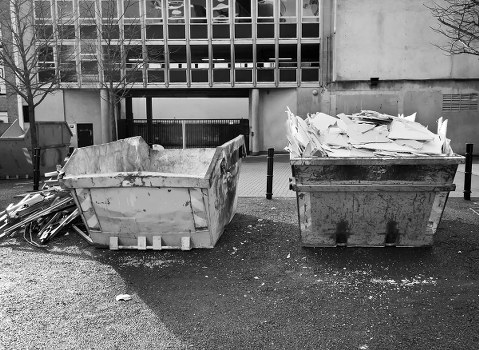 Welcome to our overview of how commercial premises in St John's Wood can adopt eco-friendly waste disposal and develop a truly sustainable rubbish area. This page focuses on practical steps for Commercial Waste St Johns Wood — from improving on-site segregation to working with licensed processing partners and moving towards a low-carbon fleet for collections. Whether you're managing a retail cluster, offices, or hospitality venues, the aim is to reduce landfill, increase recycling rates and support circular-economy outcomes across the neighbourhood.
Across the area, businesses are increasingly aligning with the borough's approach to waste separation: clear streams for paper and cardboard, glass, cans and plastic, and a separate stream for food and organic waste where available. Separation at source is the single most effective step to improve recycling outcomes. By setting up a visible, labelled sustainable rubbish area on site, managers can improve compliance, reduce contamination and make recycling a simple part of daily operations for staff and customers.
 Local policy and practical guidance in the City of Westminster and neighbouring boroughs encourage mixed-use commercial buildings to adopt consistent bin-staging and sorting practices. For commercial waste in St John's Wood, that means putting in place clear signage, providing the right containers for dry recyclables and food waste, and scheduling frequent, consolidated collections so recyclable materials reach treatment facilities in the best condition.
Targets, transfer stations and measurable progress
We recommend a clear recycling percentage target for commercial waste: aim to divert 70% of commercial waste from landfill by 2030. This target is ambitious but achievable with targeted measures: improved segregation, staff training, and verified reporting. Tracking tonnages and monthly capture rates will help businesses across St Johns Wood see where improvements are needed and celebrate measurable progress toward sustainability goals.
 An efficient local logistics network supports that target. Recyclables collected from your premises should be routed through licensed local transfer stations and consolidation hubs that serve northwest London, ensuring materials are baled, cleaned and sent to appropriate reprocessing plants. Working with transfer stations that offer weighbridge data and audited manifests helps demonstrate the true recycling percentage for your commercial waste removal and supports transparent reporting for tenants and regulators.
To reduce waste miles and emissions, businesses can coordinate collection windows so trucks serve multiple sites in a single trip, and choose operators that optimise routes and load consolidation. These operational choices deliver both environmental benefits and predictable operational costs for property managers in the St Johns Wood area.
Partnerships, reuse schemes and low-carbon fleets
Partnerships with local charities and reuse organisations are central to a resilient sustainable rubbish area. Commercial outlets often have surplus furniture, fabrics, or functional equipment that can be redirected away from disposal and toward charitable reuse. By forming formal partnerships, businesses can arrange regular collections or drop-offs with community organisations that accept office furniture, working electronics and textiles — boosting reuse rates and supporting local social value.
 Complementing reuse schemes, commercial recycling activity can include:
- Separation and baling of paper, card and mixed plastics
- Source-segregated organics for AD/composting
- Dedicated WEEE (electrical) streams for refurbishment
- Soft-furnishings and textiles directed to charity partners
Another key pillar is fleet decarbonisation. Adoption of low-carbon vans and electric collection vehicles for commercial waste St Johns Wood operations reduces local air pollution and carbon footprint. Operators offering electric or hybrid vans, plus route optimisation software, can provide credible carbon reduction plans while maintaining high-frequency service levels required by restaurants and high-footfall retail outlets.
Implementing a practical action plan
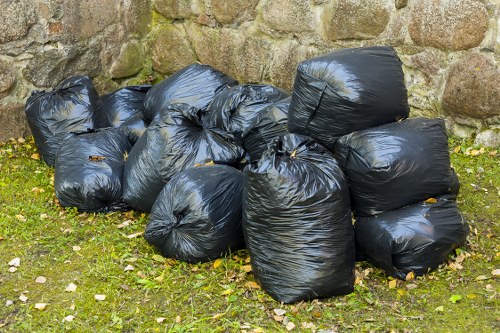 To make progress in your own premises, start with a short site audit and a clear action plan: define bin locations, label streams for staff and visitors, set regular collection cadences with licensed operators, and establish partnerships with charities for items suitable for reuse. Regular communication, periodic contamination checks and an annual review against the 70% recycling target will keep the scheme on track.
Citywide coordination — aligning commercial waste practices across nearby streets, office blocks and venues — amplifies outcomes. Shared consolidation points and joint procurement of low-carbon vans or electric collection services reduce costs for individual businesses while improving overall recycling capture in St Johns Wood and the surrounding Westminster neighbourhoods.
By prioritising eco-friendly waste disposal, creating a clearly managed sustainable rubbish area, partnering with charities for reuse, using licensed transfer stations and choosing low-carbon vans, commercial operators in St Johns Wood can deliver measurable environmental benefits. Strong local collaboration and a commitment to data-driven targets will ensure commercial waste removal in St Johns Wood supports both business needs and broader sustainability ambitions.
